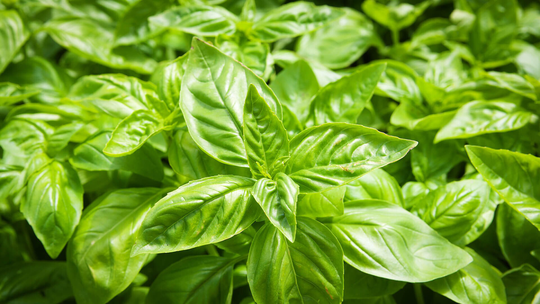
Fresh herbs are one of the easiest ways to add flavour and colour to everyday cooking, and you do not need a garden to grow them. A bright windowsill, a few pots and a little routine are enough to keep a supply of basil, parsley or chives within arm’s reach of the chopping board. Growing your own also means you can pick exactly what you need, when you need it, instead of buying a plastic pack that wilts in the fridge. Early spring, as the days lengthen, is a good time to start.
Which herbs to start with
Some herbs are much more forgiving indoors than others. If you are new to growing, these are good places to begin:
- Basil: loves warmth and light, and grows quickly from seed. Pinch out the tips regularly to keep it bushy.
- Parsley: slower to germinate but steady once established, and happy on a slightly cooler sill.
- Chives: tough, easy and quick to regrow after cutting.
- Mint: very vigorous, so give it a pot of its own. It pairs nicely with our earlier post on mint tea.
- Coriander: worth sowing a small pot every few weeks, as it tends to run to seed quickly.
Woody herbs such as rosemary, thyme and sage can also be grown indoors, but they prefer very bright light and drier conditions and are often easier to start from a small plant than from seed.
Pots, compost and drainage
The single most common reason indoor herbs fail is waterlogged roots. Choose pots with drainage holes and stand them on a saucer or tray so excess water can escape. Terracotta dries out faster, which suits Mediterranean herbs, while glazed ceramic or plastic holds moisture a little longer, which suits basil and parsley. You can find a range of options in our pots and planters section.
Use a fresh, light compost rather than soil from the garden, which can compact in pots and bring in pests. A seed compost works well for sowing, and a general multi purpose compost is fine once the seedlings are growing.
Light and watering
Most herbs want as much light as an indoor space can give. A south or west facing windowsill is usually best. Turn the pots every few days so the plants do not lean towards the glass, and if stems become long and floppy, that is often a sign they need more light.
Water when the top of the compost feels dry to the touch, then let any extra drain away. Little and often is better than a big soak followed by days of neglect. Keep pots away from radiators, which dry them out quickly, and from cold glass on frosty nights.
Sowing from seed
Sowing is simple. Fill a pot with compost, water it, sprinkle seeds thinly over the surface and cover them lightly with a thin layer of compost, following the depth given on the packet. Cover the pot loosely with a clear bag or lid to keep it humid, and remove the cover once seedlings appear. When they are big enough to handle, thin them so each plant has room to grow. Seeds such as organic sweet basil usually appear within a week or two in a warm room.
Harvesting little and often
The more you pick, the more most herbs will grow. Cut stems just above a pair of leaves rather than stripping leaves from the bottom, and never take more than about a third of the plant at once. Snip off flower buds on basil and coriander as soon as you see them, as flowering tends to make the leaves smaller and less tasty.
Use your harvest in salads, green smoothies, dressings or simply scattered over soups and roasted vegetables. If you take any medication or have a health condition, it is worth checking with your doctor or pharmacist before using herbs in larger, concentrated amounts, such as strong infusions. For everyday cooking, a pot or two on the windowsill is one of the simplest and most rewarding ways to eat a little greener.